
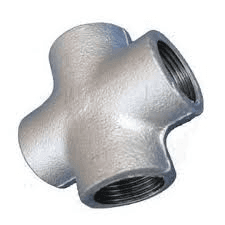

GI Crosses in Kenya
The Galvanized Iron Cross Pipe Fitting offered by Finstar Industrial Systems Ltd provides reliable connections for piping systems in Kenya and East Africa. Designed for durability and corrosion resistance, this fitting is ideal for various industrial applications, ensuring efficient fluid transport across multiple sectors.
Technical Specifications
| Form / Type | Cross Fitting |
|---|---|
| Available In | Kenya, Uganda, Tanzania, Rwanda, Burundi, DRC Congo, and across East & Central Africa |
| Key Function | Facilitates fluid flow in multiple directions. |
| Model / Size | Standard |
| Product Name | Galvanized Iron Cross Pipe Fitting |
| Material / Grade | Galvanized Iron |
| Capacity / Output | PN16 |
| Main Applications | Construction, Water Supply, Oil & Gas, HVAC, Manufacturing |
Request pricing, delivery, and application support
Speak to Finstar Industrial Systems Ltd about supply timelines, technical suitability, and delivery coverage in Kenya, Uganda, Tanzania, Rwanda, DRC Congo, and Burundi.
Full Product Details
The Galvanized Iron Cross Pipe Fitting is a vital component for any industrial piping system, designed to facilitate fluid flow in multiple directions. This fitting is manufactured from high-quality galvanized iron, ensuring durability and resistance to corrosion, making it suitable for various applications across East Africa. Finstar Industrial Systems Ltd stands as a trusted supplier in Kenya, providing reliable connections that enhance the efficiency of piping systems in sectors such as construction, water supply, oil and gas, HVAC, and manufacturing.
In environments where fluid transport is critical, the Galvanized Iron Cross Pipe Fitting excels in performance. It is engineered to meet the demands of both commercial and industrial applications, ensuring that businesses can rely on its robust construction. Finstar Industrial Systems Ltd is dedicated to delivering high-quality products that meet the rigorous standards of the industry, ensuring customer satisfaction through efficient service and support.
With availability across Kenya, Uganda, Tanzania, Rwanda, Burundi, South Sudan, DR Congo, and Ethiopia, Finstar Industrial Systems Ltd ensures that clients can access these essential fittings with ease. Our commitment to quality and service makes us the preferred choice for industrial equipment in East and Central Africa.
Key Features
- Durable construction ensures long-lasting performance.
- Corrosion-resistant material enhances reliability in various environments.
- Facilitates fluid flow in multiple directions for versatile applications.
- Standard size accommodates a wide range of piping configurations.
- Compatible with various industrial systems for enhanced flexibility.
- Designed for easy installation and maintenance.
- Meets industry standards for quality and safety.
- Available in bulk for large-scale projects.
Benefits
- Reliable connections reduce the risk of leaks and downtime.
- Cost-effective solution for fluid transport in industrial applications.
- Enhanced efficiency leads to improved operational performance.
- Versatile design allows for use in diverse sectors.
- Long-lasting materials minimize replacement costs over time.
- Finstar's regional support ensures timely delivery and assistance.
- Compliance with industry standards enhances safety and reliability.
- Bulk purchasing options provide savings for large projects.
Applications
- In construction, the fitting is used in plumbing systems for efficient water distribution.
- Municipal water systems rely on this fitting for reliable pipe connections.
- In the oil and gas sector, it is utilized in pipelines to transport hydrocarbons safely.
- HVAC systems benefit from this fitting by supporting ductwork for heating and cooling.
- Manufacturing processes often require these fittings for fluid transport in production lines.
- The fitting is essential in agricultural applications for irrigation systems.
- It is also used in fire protection systems to ensure reliable water flow.
- In industrial plants, it aids in the efficient management of process fluids.
Industries Served
Contact Finstar Industrial Systems Ltd today to request a quote for the Galvanized Iron Cross Pipe Fitting and enhance your piping systems.
Specification & Installation
Planning guidance only.The notes below are intended to help you specify and budget for this equipment. Installation, servicing, and fault rectification on pressure, steam, refrigerant, and electrical systems must be carried out by a suitably qualified engineer, working to the manufacturer's documentation and the applicable local standard.
Selection Guide
When selecting a Galvanized Iron Cross Pipe Fitting, consider the specific requirements of your piping system, including the type of fluid being transported and the required flow rates. It is essential to determine the size and configuration that best fits your application. Understanding the operational environment and any potential pressure or temperature variations will also guide your selection process.
- Evaluate the compatibility of the fitting with existing piping materials and systems.
- Consider the installation space and accessibility for maintenance.
- Assess the expected load and duty cycle of the application.
- Determine if additional fittings or accessories are needed for a complete installation.
- Consult with a qualified engineer to ensure compliance with local standards and regulations.
Trade-offs may exist between different fitting options, including cost, availability, and performance characteristics. It is common for buyers to overlook the importance of matching the fitting's specifications to the requirements of their system, which can lead to inefficiencies or failures. Therefore, thorough planning and consultation are essential for optimal results.
Installation
Before installing the Galvanized Iron Cross Pipe Fitting, ensure that the site meets the necessary space and service requirements. This includes access to utilities such as water and electricity, as well as adequate space for installation and maintenance activities. Proper planning will facilitate a smoother installation process.
The installation work typically involves coordination with qualified technicians and engineers who possess the necessary certifications. It is crucial to ensure that all installation practices adhere to local standards and regulations to guarantee safety and reliability. Planning should include a review of the manufacturer's guidelines for installation.
Lead times for delivery and commissioning can vary based on order size and location. Buyers should prepare in advance by confirming site readiness and ensuring that all necessary resources are available for a successful handover. This preparation can significantly reduce delays and enhance overall project efficiency.
Commonly Bought Alongside
- Pipe Gaskets
- Used to ensure leak-proof connections when installing fittings.
- Flange Bolts
- Essential for securing fittings to piping systems.
- Thread Sealant
- Prevents leaks at threaded connections.
- Pipe Wrenches
- Necessary for tightening and adjusting fittings during installation.
- Pressure Gauges
- Used to monitor system pressure and ensure safe operation.
- Protective Equipment
- Ensures safety for workers during installation and maintenance activities.
FAQ
GI Crosses in Kenya — Common Questions
Answers to the most common questions from buyers, engineers, and facility teams about this product.
- What is the price of the this product?
- Pricing for the the equipment varies based on order volume and specific requirements. For accurate pricing, please contact Finstar Industrial Systems Ltd directly.
- Where can I buy GI fittings in East Africa?
- Finstar Industrial Systems Ltd is a trusted supplier of GI fittings across East Africa, including Kenya, Uganda, and Tanzania. You can reach out to us for your procurement needs.
- What is the delivery time for bulk orders?
- Delivery times for bulk orders depend on the order size and location. Finstar Industrial Systems Ltd strives to ensure timely delivery across East and Central Africa.
- Are installation services available?
- Yes, Finstar Industrial Systems Ltd offers installation support for the the unit. Our team can assist with planning and execution.
- Is this fitting suitable for high-pressure applications?
- The this product is designed to handle standard pressure applications. For specific requirements, please consult with our team.
- Can I order a sample before purchasing?
- Yes, Finstar Industrial Systems Ltd can provide samples of the the equipment upon request. Please contact us for more information.
- What industries commonly use this fitting?
- This fitting is widely used in construction, water supply, oil and gas, HVAC, and manufacturing industries due to its versatility and reliability.
- What materials are used in the construction of this fitting?
- The the unit is made from high-quality galvanized iron, ensuring durability and corrosion resistance for various applications.
More Galvanized iron GI Fittings products in Kenya


Industrial Flanges Standard Size in Kenya
The industrial flanges supplied by Finstar Industrial Systems Ltd is designed for reliable and durable connections in piping systems across Kenya and East Africa. Ideal for various industrial applications, this flange ensures leak-proof fittings, making it essential for manufacturers and construction projects in Nairobi Kenya and beyond.
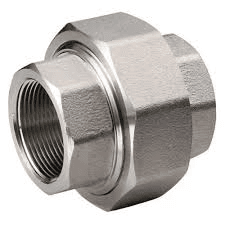
Stainless Steel Ball Valve,GI Union in East and Central Africa
The Stainless Steel Ball Valve supplied by Finstar Industrial Systems Ltd ensures reliable flow control for industrial applications in Kenya and East Africa. Crafted for durability and efficiency, this valve is ideal for piping systems in various industries, including oil and gas, water treatment, and manufacturing.
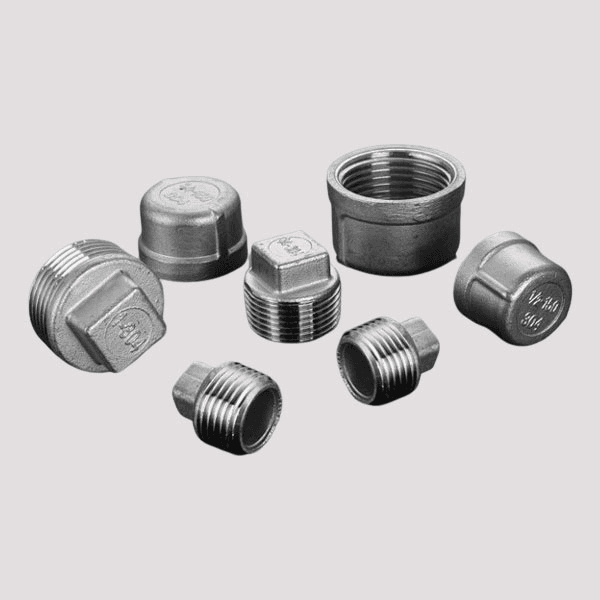
GI Plugs and Caps in Nairobi Kenya
Finstar Industrial Systems Ltd offers high-quality galvanized iron pipe fittings, ideal for various industrial applications in Kenya and East Africa. These durable fittings ensure reliable connections in piping systems, making them essential for factories and construction projects.
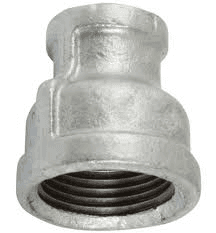
GI Reducers in Nairobi Kenya
The Galvanized Iron Pipe Fitting supplied by Finstar Industrial Systems Ltd offers reliable and durable connections for various piping applications in Kenya and East Africa. Ideal for water, gas, and steam systems, this fitting ensures high performance and compliance with industrial standards.