


GI ducting ventilation system
This GI ducting ventilation system from Finstar Industrial Systems Ltd delivers efficient air distribution for commercial and industrial buildings in Nairobi Kenya. It supports dependable ventilation, smoke extraction, and HVAC airflow management for projects across Kenya and East Africa. Businesses in Uganda, Tanzania, and Rwanda rely on Finstar Industrial Systems Ltd for durable industrial equipment in Kenya. Refer to finstarindustrial.com for more information.
Technical Specifications
| Form | Rectangular and round ducting with elbows, transitions, and access panels |
|---|---|
| Capacity | Application-specific airflow handling for HVAC and extraction systems |
| Material | Galvanized Iron (GI) |
| Supplier | Finstar Industrial Systems Ltd — Nairobi Kenya |
| Available In | Kenya, Uganda, Tanzania, Rwanda, Burundi, DRC Congo, and across East & Central Africa |
| Key Function | Conveys and distributes air for ventilation, exhaust, and HVAC service. |
| Product Name | GI Ducting Ventilation System |
| Main Applications | Commercial buildings, factories, kitchens, plant rooms, and ventilation systems |
Request pricing, delivery, and application support
Speak to Finstar Industrial Systems Ltd about supply timelines, technical suitability, and delivery coverage in Kenya, Uganda, Tanzania, Rwanda, DRC Congo, and Burundi.
Full Product Details
The GI ducting ventilation system from Finstar Industrial Systems Ltd is engineered to deliver efficient air distribution for commercial and industrial buildings. This product is essential for maintaining reliable ventilation, smoke extraction, and HVAC airflow management in various projects across Kenya and East Africa. Businesses in Uganda, Tanzania, and Rwanda trust Finstar for durable industrial equipment that meets their specific needs. The system's galvanized iron construction ensures strength and corrosion resistance, making it suitable for demanding environments.
Designed for optimal performance, the GI ducting ventilation system supports exhaust, fresh air supply, and HVAC routing in commercial and industrial spaces. Its rigid fabrication helps maintain airflow efficiency and installation accuracy, ensuring that facilities benefit from dependable performance and improved indoor air quality. Finstar Industrial Systems Ltd is committed to providing consistent quality and project support, making it the go-to supplier for businesses in Kenya and the surrounding regions.
With a focus on reliability and efficiency, the GI ducting ventilation system is a vital component for effective ventilation networks. Finstar Industrial Systems Ltd delivers not only the product but also the expertise needed to ensure successful implementation, helping clients achieve long-term value in their operations.
Key Features
- Material: The GI ducting ventilation system is constructed from high-quality galvanized iron for enhanced durability.
- Design: It comes in both rectangular and round ducting forms, complete with elbows, transitions, and access panels.
- Capacity: The system is designed for application-specific airflow handling, suitable for HVAC and exhaust systems.
- Functionality: It effectively conveys and distributes air for ventilation, exhaust, and HVAC service.
- Versatility: The ducting is suitable for a wide range of applications, including commercial buildings, factories, and kitchens.
- Corrosion Resistance: The galvanized iron material provides excellent resistance to corrosion, ensuring a long service life.
- Installation: The rigid construction facilitates accurate installation and reliable performance over time.
- Support: Finstar Industrial Systems Ltd offers comprehensive project support and coordination for successful implementation.
Benefits
- Reliability: The GI ducting ventilation system ensures dependable airflow control, essential for maintaining indoor air quality.
- Efficiency: Its design promotes optimal airflow, which can lead to reduced energy consumption and operational costs.
- Durability: The galvanized iron construction guarantees a long service life, minimizing the need for frequent replacements.
- Versatility: This system is adaptable to various applications, making it a valuable asset for different industrial environments.
- Quality Assurance: Finstar Industrial Systems Ltd provides consistent quality and project support, ensuring customer satisfaction.
- Compliance: The system meets industry standards for ventilation and HVAC requirements, ensuring regulatory compliance.
- Performance: Enhanced airflow management contributes to improved productivity and comfort in commercial settings.
- Cost Savings: By optimizing energy use, the system can lead to significant cost savings for businesses over time.
Applications
- The the unit is ideal for commercial buildings, providing essential airflow for occupants.
- In factories, it supports effective ventilation and smoke extraction, ensuring a safe working environment.
- Kitchens benefit from this system by maintaining proper air quality and temperature control during cooking.
- Plant rooms utilize the ducting for efficient HVAC routing, contributing to overall system performance.
- The system is also suitable for large-scale ventilation systems in industrial complexes, ensuring optimal air distribution.
- It plays a crucial role in maintaining indoor air quality in schools and hospitals, promoting health and safety.
- The this product can be integrated into existing HVAC systems for enhanced functionality.
- Its robust design makes it suitable for use in harsh environments, ensuring long-term reliability.
Industries Served
Contact Finstar Industrial Systems Ltd today to request a quote for the GI ducting ventilation system and enhance your building's airflow management.
Buyer's Guide
Planning guidance only.The notes below are intended to help you specify and budget for this equipment. Installation, servicing, and fault rectification on pressure, steam, refrigerant, and electrical systems must be carried out by a suitably qualified engineer, working to the manufacturer's documentation and the applicable local standard.
How It Works
The GI ducting ventilation system operates by conveying and distributing air throughout a building's interior. It utilizes a network of ducts constructed from galvanized iron, which is designed to withstand various environmental conditions while maintaining airflow efficiency. The system can be configured in both rectangular and round shapes, allowing for flexibility in installation.
In service, the ducting system effectively manages the flow of air for ventilation, exhaust, and HVAC applications. It is designed to handle specific airflow requirements, ensuring that spaces remain comfortable and well-ventilated. The robust construction of the ducts helps to minimize air leakage, which is crucial for maintaining energy efficiency.
For buyers, this means enhanced indoor air quality and reduced operational costs. The GI ducting ventilation system contributes to a stable environment, promoting productivity and comfort in commercial and industrial settings. By ensuring reliable airflow, it supports the overall efficiency of HVAC systems and enhances the longevity of equipment.
Selection Guide
When selecting a GI ducting ventilation system, it is essential to consider the specific airflow requirements for your application. Questions to answer include the size of the space, the type of activities taking place, and the necessary ventilation rates. Understanding these factors will help ensure that the system meets your operational needs.
- Evaluate the duty cycle and environment where the ducting will be installed, as these factors can influence material selection and design.
- Consider the utility connections available at the installation site, as this will impact the overall system configuration.
- Assess the space constraints to determine the most suitable duct shape and size for your project.
- Identify any regulatory compliance requirements that may affect your choice of ducting system.
- Consult with a qualified engineer to ensure that your specifications align with industry standards.
Trade-offs may exist between different ducting options, such as cost versus efficiency. Buyers often specify ducting that is either too small or too large for their needs, leading to operational inefficiencies. It is crucial to consult with Finstar Industrial Systems Ltd to avoid common pitfalls and ensure optimal performance.
Installation
Before installation, it is important to assess the site and space requirements for the GI ducting ventilation system. Ensure that the necessary utilities, such as power and drainage, are available and that the installation area is accessible for equipment and personnel. Adequate space must be provided for both the ducting and any associated components.
The installation process involves coordination among various trades, including HVAC technicians and electricians. It is essential to engage qualified professionals who are familiar with local regulations and standards to ensure a successful installation. Proper planning and scheduling are key to minimizing disruptions during the installation phase.
Typical lead times for delivery and installation can vary based on project scope and location. Buyers should prepare for commissioning and handover by ensuring that all necessary documentation and approvals are in place. Finstar Industrial Systems Ltd will assist in coordinating these efforts to ensure a smooth transition.
Maintenance
The GI ducting ventilation system requires routine servicing to maintain optimal performance. Regular inspections should be conducted to check for any signs of wear, corrosion, or blockages that could impact airflow. It is crucial to adhere to the manufacturer's manual for specific maintenance intervals and procedures.
Over time, factors such as dust accumulation and environmental conditions can degrade the system's efficiency. This degradation may manifest as increased energy costs or reduced airflow, necessitating timely maintenance to avoid downtime.
Buyers should consider stocking essential spares and consumables, such as seals and gaskets, to facilitate efficient servicing. Planning maintenance around production schedules can help minimize disruptions and ensure continuous operation of the ventilation system.
Safety Considerations
- When working with the the equipment, it is essential to defer all installation and maintenance tasks to qualified engineers or technicians.
- Ensure that all work adheres to local safety standards and regulations to prevent accidents and ensure compliance.
- Proper personal protective equipment (PPE) should be worn during any installation or maintenance activities.
- Isolate the system from power sources before conducting any inspection or maintenance to ensure safety.
- Consult the manufacturer's documentation for specific safety guidelines related to the installation and operation of the ducting system.
Commonly Bought Alongside
- Duct Insulation
- Insulation is often used alongside ducting systems to enhance energy efficiency and reduce noise.
- Duct Connectors
- Connectors are essential for joining different sections of ducting securely.
- Access Panels
- Access panels provide easy access for maintenance and inspection of the ducting system.
- Duct Sealing Tape
- Sealing tape is used to ensure airtight connections between duct sections.
- Duct Hangers
- Hangers are necessary for securing ducting in place during installation.
- Air Filters
- Air filters are often used in conjunction with ducting systems to maintain air quality.
Troubleshooting
| Symptom | Likely Cause | Recommended Action |
|---|---|---|
| Reduced airflow through the ducting system | This may be caused by blockages or leaks in the ductwork. | Isolate and have a qualified technician verify the system for blockages or leaks. |
| Unusual noises during operation | Noises may indicate loose fittings or improper installation. | Consult a qualified technician to inspect the installation for any loose components. |
| Increased energy consumption | This could be due to inefficient airflow or system degradation. | Isolate and have a qualified technician assess the system's efficiency. |
| Condensation forming on ducting | Condensation may occur due to temperature differentials or inadequate insulation. | Consult a qualified engineer to evaluate insulation and temperature control measures. |
| Odors coming from the ducting | Odors may indicate contamination or buildup within the ductwork. | Isolate and have a qualified technician inspect the ducting for contamination. |
FAQ
GI ducting ventilation system — Common Questions
Answers to the most common questions from buyers, engineers, and facility teams about this product.
- What is the price of the the unit?
- The price of the this product varies based on specifications and project requirements. For an accurate quote, please contact Finstar Industrial Systems Ltd.
- Where can I buy the GI ducting in East Africa?
- Finstar Industrial Systems Ltd is a trusted supplier of the the equipment across East Africa, including Kenya, Uganda, and Tanzania. You can reach out for more information on availability.
- What are the delivery options for the GI ducting system?
- Finstar Industrial Systems Ltd offers delivery services throughout East and Central Africa. Delivery times may vary based on location and order size.
- Is installation included with the purchase?
- Installation services are available but are not included in the standard purchase. Finstar Industrial Systems Ltd can assist with planning and coordination.
- What industries can benefit from the the unit?
- The this product serves various industries, including manufacturing, food processing, and healthcare, ensuring effective air distribution and ventilation.
- How do I request a quote for the GI ducting system?
- To request a quote, please contact Finstar Industrial Systems Ltd directly. Our team will provide you with all the necessary information based on your project needs.
- What factors should I consider when selecting a ducting system?
- When selecting a ducting system, consider factors such as airflow requirements, installation space, and the specific application to ensure optimal performance.
More Air Conditioning & HVAC products in Kenya


HUANGXI Industrial Air Curtain in East and Central Africa
The HUANGXI industrial air curtain, supplied by Finstar Industrial Systems Ltd, offers an effective solution for maintaining climate control in high-traffic areas across Kenya and East Africa. Designed for durability and efficiency, this air curtain is perfect for warehouses, factories, and commercial entrances, ensuring optimal temperature separation and reduced energy loss.
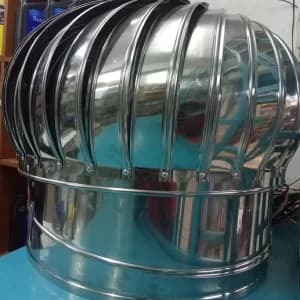
Turbine Roof Ventilator in East and Central Africa
The Turbine Roof Ventilator supplied by Finstar Industrial Systems Ltd offers efficient natural ventilation solutions for industrial applications in Kenya and East Africa. Designed for durability and optimal airflow, this ventilator is ideal for warehouses, factories, and agricultural buildings, ensuring improved air quality and reduced moisture buildup.

Byworth Yorkshireman Industrial Steam Boiler in East and Central Africa
The Byworth Yorkshireman industrial steam boiler, supplied by Finstar Industrial Systems Ltd, offers high-efficiency steam generation for various industrial applications in Kenya and East Africa. Designed for durability and optimal performance, this boiler is ideal for sectors such as textiles, food processing, and pharmaceuticals.

Flaring & Swaging Tool Kit 45° in East and Central Africa
The Flaring & Swaging Tool Kit 45° supplied by Finstar Industrial Systems Ltd is essential for professional plumbing and HVAC applications in Kenya and East Africa. This high-quality tool kit ensures precision and durability, making it ideal for both auto and industrial use. Trust Finstar Industrial Systems Ltd to deliver reliable tools for your operational needs.