
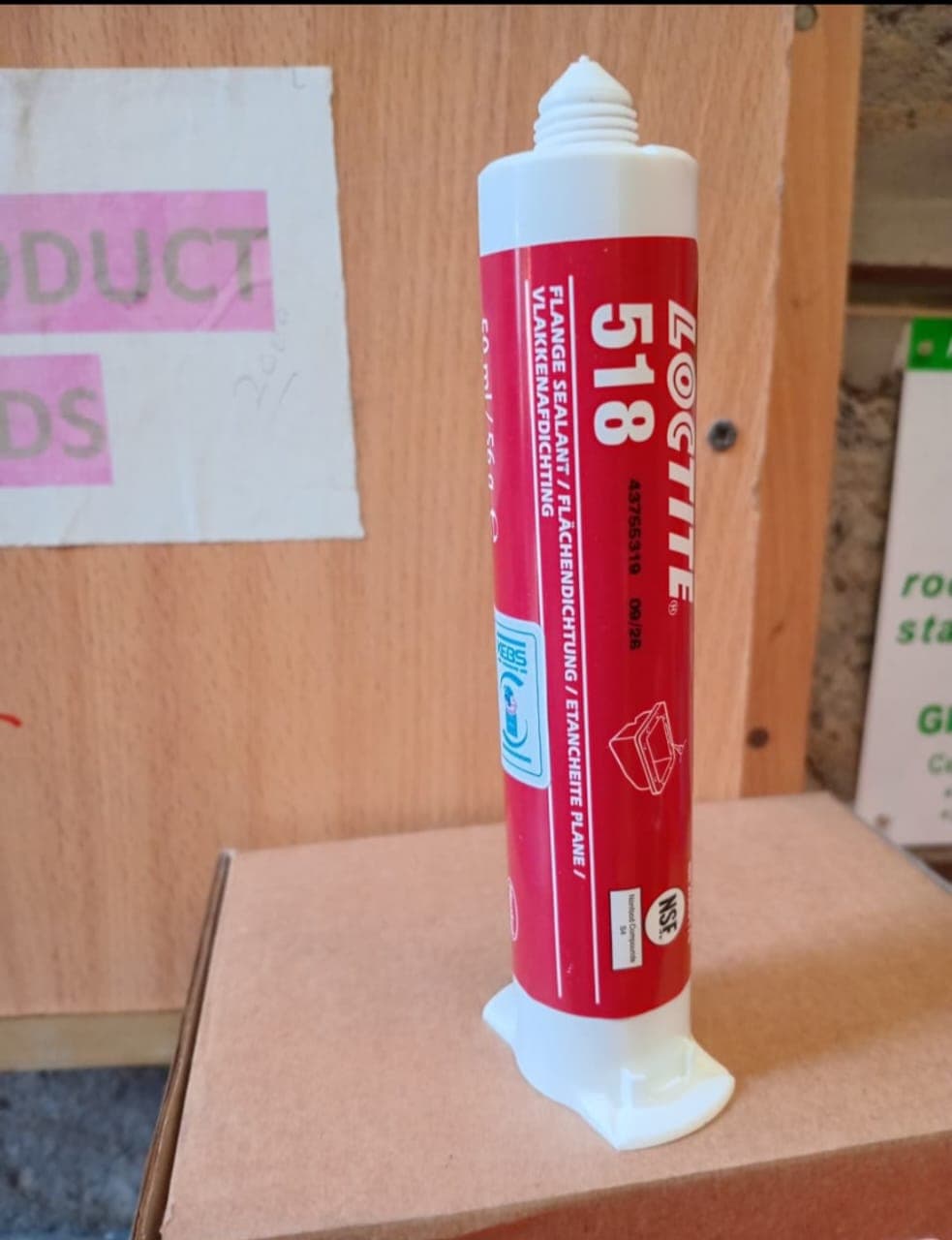

Loctite 518 Flange Sealant in East and Central Africa
- Brand
- Loctite
- Model
- 518
Loctite 518 Flange Sealant, available through Finstar Industrial Systems Ltd, provides a reliable solution for sealing flanged joints in Kenya and East Africa. This anaerobic sealant ensures leak-proof performance, making it ideal for various industrial applications, including machinery and equipment maintenance.
Technical Specifications
| Supplier | Finstar Industrial Systems Ltd — Nairobi Kenya |
|---|---|
| Form / Type | Tube |
| Available In | Kenya, Uganda, Tanzania, Rwanda, Burundi, DRC Congo, and across East & Central Africa |
| Key Function | Sealing flanged joints to prevent leaks. |
| Model / Size | Standard |
| Product Name | Loctite 518 Flange Sealant |
| Material / Grade | Anaerobic Sealant |
| Capacity / Output | 50 ml |
| Main Applications | Machinery maintenance, automotive, and industrial equipment. |
Request pricing, delivery, and application support
Speak to Finstar Industrial Systems Ltd about supply timelines, technical suitability, and delivery coverage in Kenya, Uganda, Tanzania, Rwanda, DRC Congo, and Burundi.
Full Product Details
Loctite 518 Flange Sealant is a premium anaerobic sealant designed for sealing flanged joints effectively, ensuring leak-proof performance in various industrial applications. This product is particularly suitable for machinery maintenance, automotive, and equipment repair, making it a vital component for businesses operating in Kenya and across East and Central Africa. Finstar Industrial Systems Ltd, a trusted supplier in the region, provides high-quality sealants that enhance operational efficiency and reliability.
Manufactured to meet the rigorous demands of industrial environments, Loctite 518 offers exceptional durability and resistance to a range of industrial fluids. Its formulation ensures that it can withstand the pressures and conditions typically encountered in manufacturing and maintenance operations. Finstar Industrial Systems Ltd is committed to delivering this essential product to clients in Kenya, Uganda, Tanzania, Rwanda, Burundi, South Sudan, DR Congo, Ethiopia, and Somalia.
With a focus on customer satisfaction, Finstar Industrial Systems Ltd guarantees prompt delivery and excellent after-sales support, ensuring that businesses have access to the resources they need for seamless operations. The Loctite 518 Flange Sealant is not just a product; it is a solution that helps maintain the integrity of machinery and equipment, making it an indispensable choice for industrial buyers.
Key Features
- Anaerobic sealant formulation ensures strong bonding in the absence of air.
- Designed specifically for sealing flanged joints to prevent leaks.
- Available in a convenient 50 ml tube for easy application.
- Resistant to a wide range of industrial fluids, enhancing durability.
- Ideal for various applications, including machinery maintenance and automotive use.
- Fast curing time allows for quick assembly and reduced downtime.
- Compatible with most metals and plastics, ensuring versatility.
- Non-toxic formulation makes it safe for use in food processing applications.
Benefits
- Provides reliable sealing solutions that enhance operational efficiency.
- Reduces the risk of leaks, contributing to lower maintenance costs.
- Increases equipment lifespan by ensuring integrity of flanged joints.
- Saves time with quick curing properties, minimizing production delays.
- Offers versatility across multiple industries, including automotive and manufacturing.
- Enhances safety in operations by preventing fluid leaks.
- Supports compliance with industry standards for sealing materials.
- Facilitates easier maintenance and repairs, leading to improved productivity.
Applications
- In manufacturing, Loctite 518 is used to seal machinery components, preventing leaks that can disrupt production.
- In the automotive sector, it is essential for sealing engine flanges, ensuring optimal performance and safety.
- The oil and gas industry relies on Loctite 518 for reliable sealing of flanged connections in pipelines.
- Construction projects utilize this sealant in heavy machinery to ensure leak-proof joints, enhancing operational reliability.
- In food and beverage processing, it is safe for use in equipment, ensuring compliance with health standards.
- Loctite 518 is also applicable in maintenance operations across various industries, providing a dependable sealing solution.
- It is used in HVAC systems to seal flanged connections, preventing air and fluid leaks.
- The sealant is ideal for use in marine applications, ensuring integrity in flanged joints exposed to harsh conditions.
Industries Served
Contact Finstar Industrial Systems Ltd today to request a quote for Loctite 518 Flange Sealant and ensure reliable sealing solutions for your operations.
Handling, Safety & Compatibility
Planning guidance only.The notes below are intended to help you specify and budget for this equipment. Installation, servicing, and fault rectification on pressure, steam, refrigerant, and electrical systems must be carried out by a suitably qualified engineer, working to the manufacturer's documentation and the applicable local standard.
Selection Guide
When selecting Loctite 518 Flange Sealant, consider the specific materials of the flanged joints and the types of fluids they will be exposed to. Understanding the operating conditions and environmental factors is crucial for ensuring compatibility and effectiveness. Additionally, assess the size and configuration of the flanged joints to determine the appropriate amount of sealant needed.
Factors such as temperature, pressure, and the presence of chemicals can influence the choice of sealant. Ensure that the selected sealant can withstand the operational demands without degrading over time. Consulting with a supplier like Finstar Industrial Systems Ltd can provide insights into the best practices for selection.
- Evaluate the types of materials being sealed.
- Consider environmental conditions such as temperature and pressure.
- Assess the compatibility with the fluids involved.
- Determine the required curing time for your application.
- Consult with experts for tailored recommendations.
Safety Considerations
- Always defer installation and maintenance work to qualified engineers or technicians familiar with the product and applicable standards.
- Ensure that all safety data sheets (SDS) are reviewed and understood prior to use.
- Utilize appropriate personal protective equipment (PPE) to safeguard against exposure during application.
- Follow all local regulations and industry standards when handling and applying sealants.
Commonly Bought Alongside
- Cleaning agents
- Used to prepare surfaces before applying the sealant.
- Personal protective equipment
- Essential for ensuring safety during application.
- Application tools
- Necessary for evenly applying the sealant to flanged surfaces.
- Sealant removal tools
- Helpful for cleaning up any excess sealant after application.
- Inspection tools
- Used for regular checks of flanged joints to ensure integrity.
FAQ
Loctite 518 Flange Sealant in East and Central Africa — Common Questions
Answers to the most common questions from buyers, engineers, and facility teams about this product.
- What is the price of Loctite 518 Flange Sealant?
- The price of Loctite 518 Flange Sealant varies based on order volume and location. For an accurate quote, please contact Finstar Industrial Systems Ltd.
- Where can I buy Loctite 518 in East Africa?
- Loctite 518 Flange Sealant is available through Finstar Industrial Systems Ltd, which supplies various locations in East Africa, including Kenya, Uganda, and Tanzania.
- Is Loctite 518 suitable for food processing applications?
- Yes, Loctite 518 is formulated to be safe for use in food processing equipment, adhering to industry safety standards.
- What are the delivery options for Loctite 518?
- Finstar Industrial Systems Ltd offers various delivery options across East and Central Africa, ensuring timely access to Loctite 518 for all customers.
- How do I know if Loctite 518 is right for my application?
- To determine if Loctite 518 is suitable for your application, consider the materials involved and the conditions under which it will be used. Consulting with Finstar can provide tailored recommendations.
- What is the lead time for bulk orders of Loctite 518?
- Lead times for bulk orders of Loctite 518 depend on the order size and delivery location. Contact Finstar Industrial Systems Ltd for specific timelines.
- Can I use Loctite 518 on plastic surfaces?
- Yes, Loctite 518 is compatible with most plastics, making it a versatile choice for various sealing applications.
- What support does Finstar provide after purchase?
- Finstar Industrial Systems Ltd offers excellent after-sales support, including guidance on product use and troubleshooting assistance.
More Sealants products in Kenya


Klinger Expanded Graphite Sealant Sealex(6mm-22mm) in East and Central Africa
The Klinger Sealex expanded graphite sealant provided by Finstar Industrial Systems Ltd ensures superior sealing performance for industrial applications in Kenya and East Africa. Designed for durability and resistance to high temperatures and pressures, this sealant is ideal for various piping and equipment sealing needs.
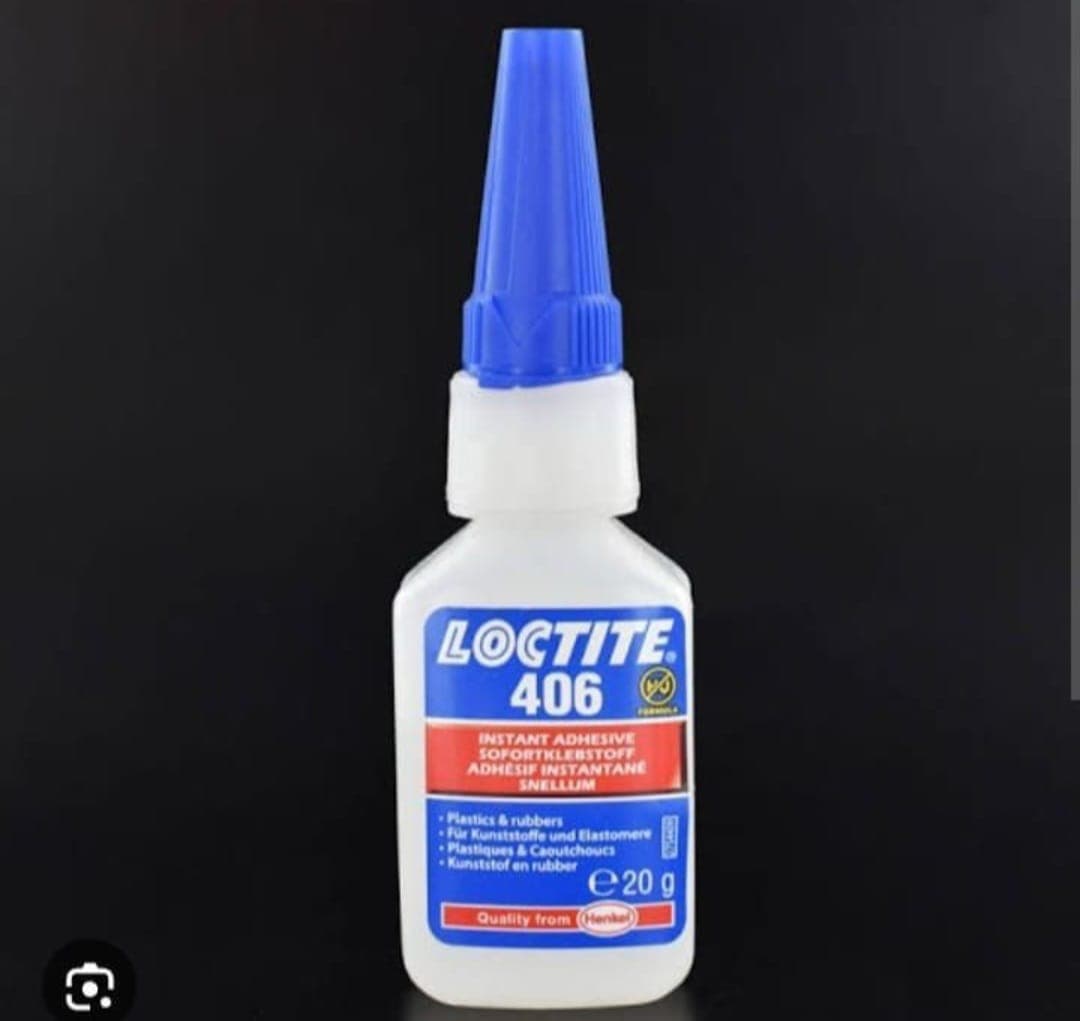
Loctite 406 Instant Adhesive – Fast-Bonding Cyanoacrylate for Rubber, Plastics & Elastomers
The Loctite 406 instant adhesive provided by Finstar Industrial Systems Ltd offers rapid bonding for various materials in Kenya and East Africa. Ideal for plastics and rubber, this adhesive ensures strong and reliable connections, making it essential for industrial applications.
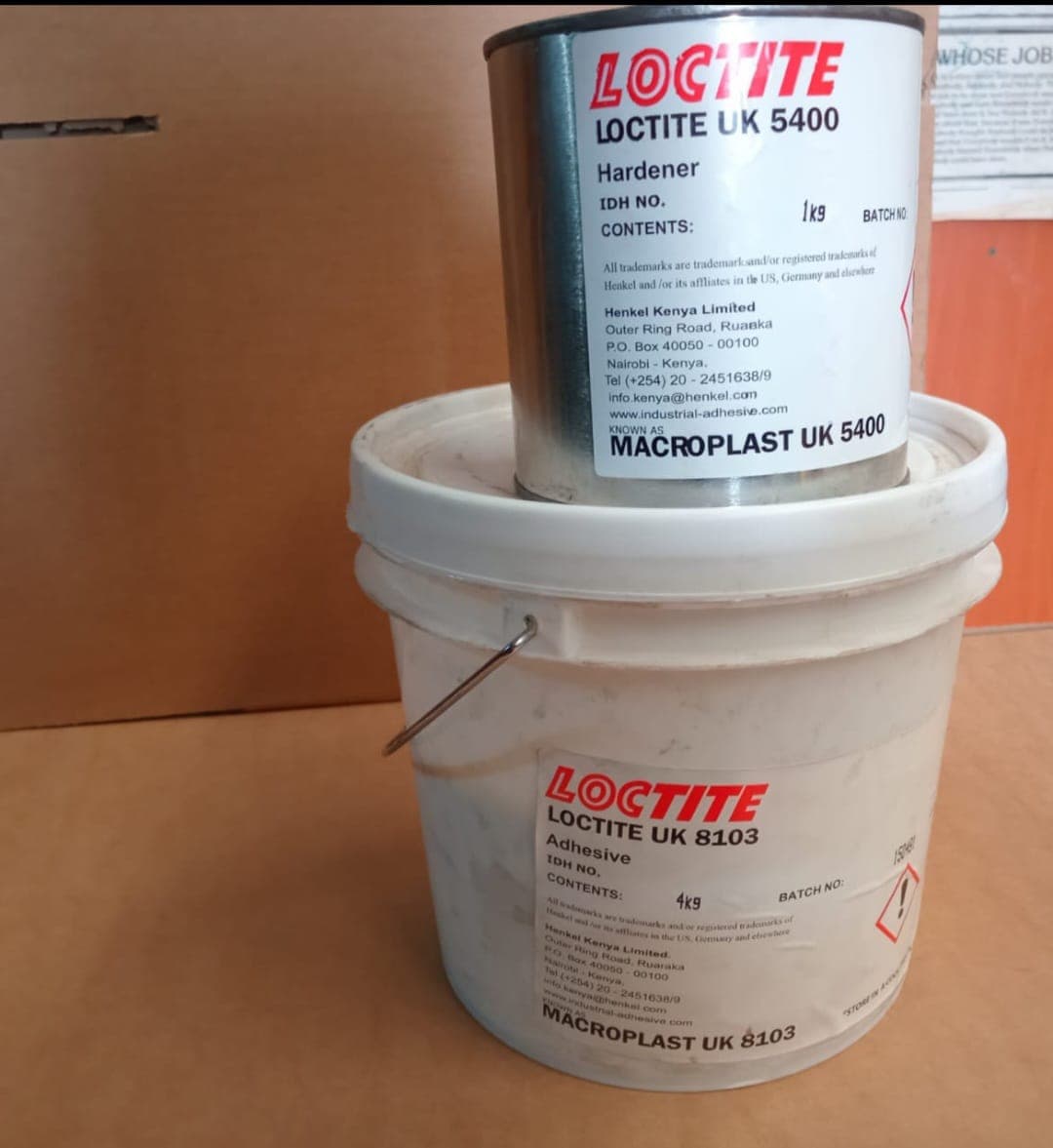
Loctite UK 8103 B30 / UK 5400
The Loctite UK 8103 adhesive supplied by Finstar Industrial Systems Ltd provides exceptional bonding solutions for industrial applications in Kenya and East Africa. Designed for durability and high performance, this adhesive is ideal for manufacturing, construction, and repair tasks.
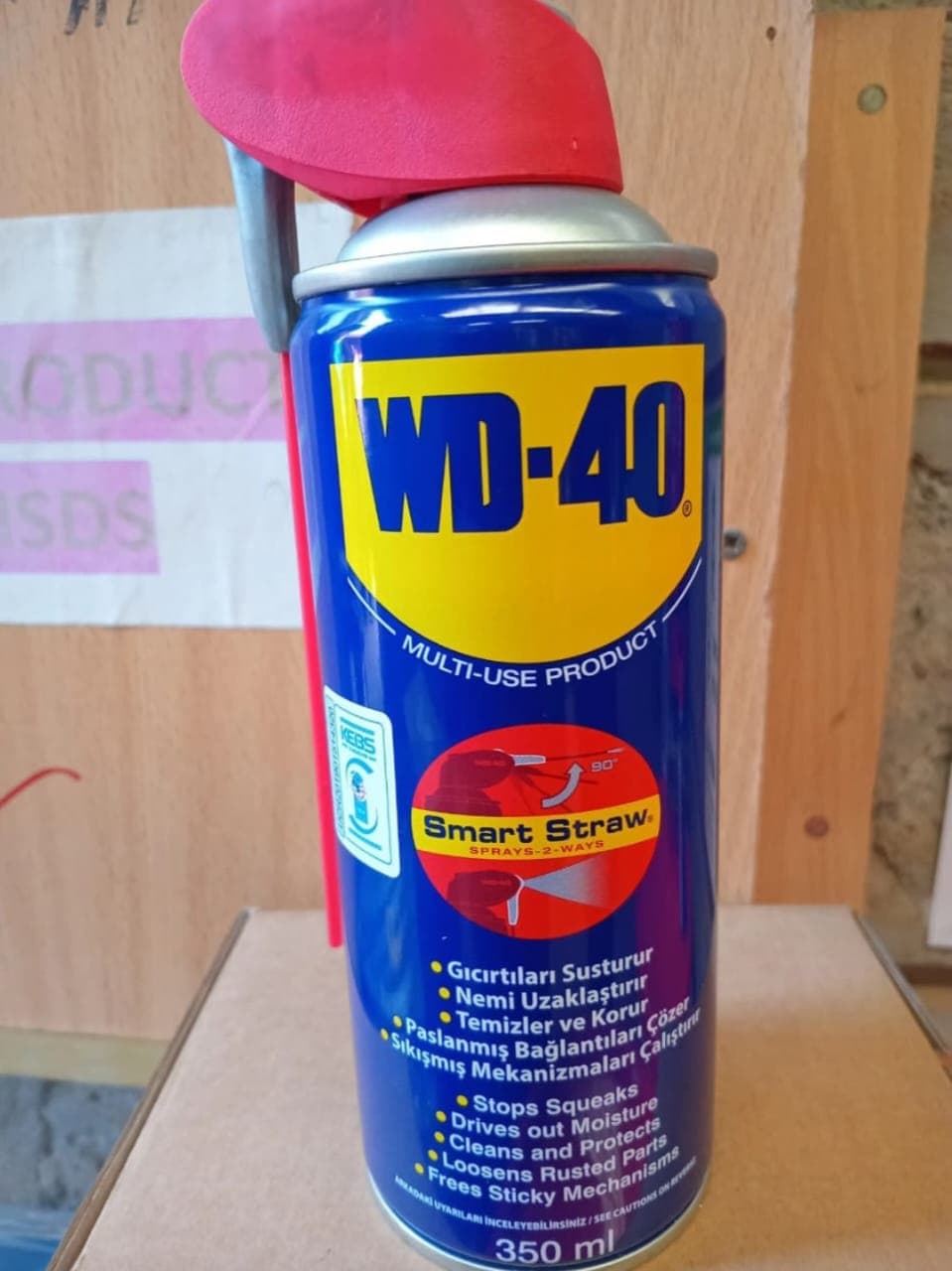
WD-40 Multi-Use Product in East and Central Africa
The WD-40 Multi-Use Product supplied by Finstar Industrial Systems Ltd offers versatile lubrication and protection for various industrial applications in Kenya and East Africa. Ideal for preventing rust, loosening stuck parts, and cleaning surfaces, this product is essential for maintenance in factories and workshops.